The useful version / keep this one
Leafy greens, and what they are actually doing
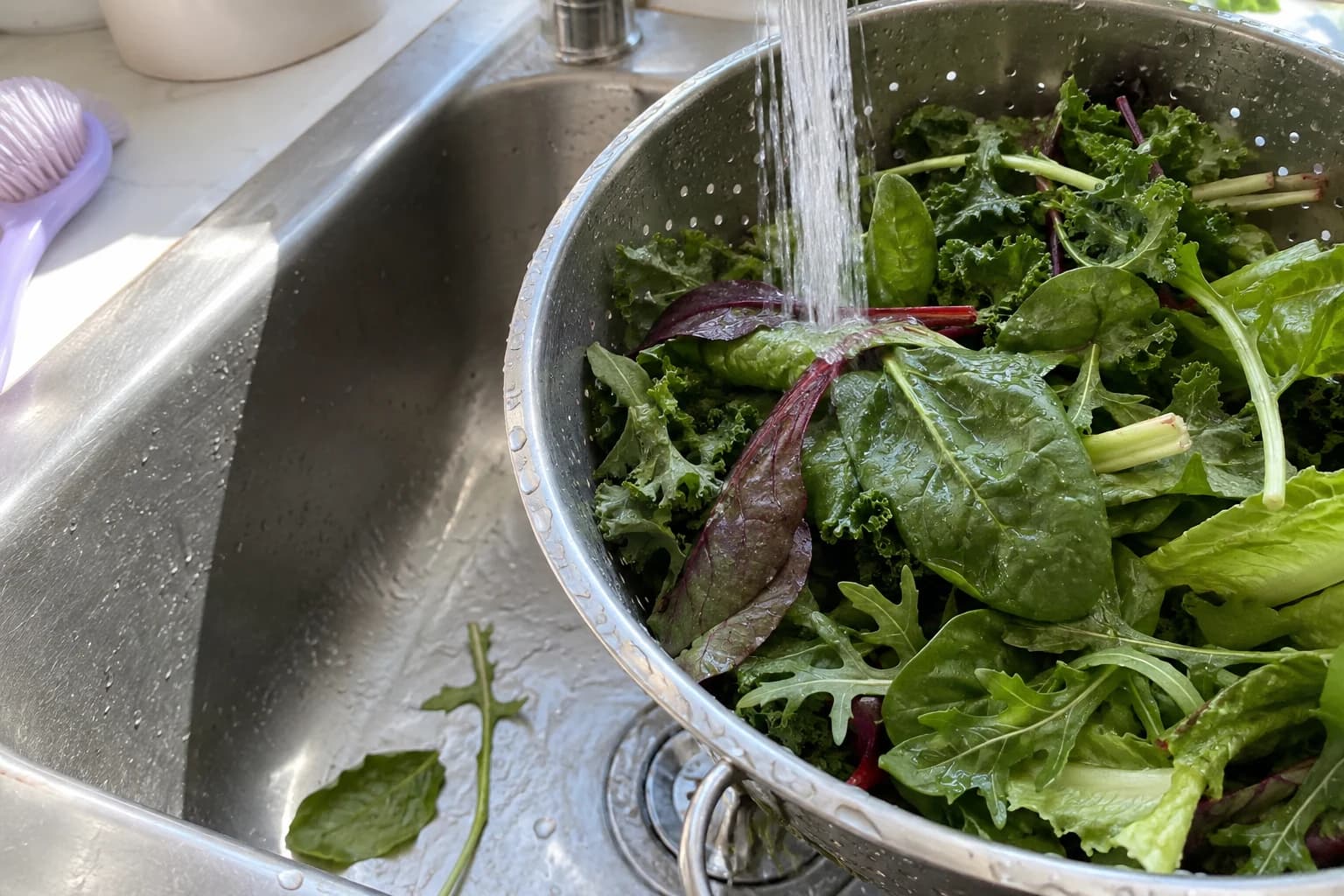
Spinach, kale, chard, collards and arugula, what each one is best at, and how to stop them dying in the crisper.
The BetterDay KitchenUpdated 2 min read
The short answer
Leafy greens are the least controversial thing in nutrition. Nobody is running a podcast about the dangers of chard. What is worth getting right is what they contain, what the research found, and how to buy them so they do not liquefy in your crisper by Wednesday.
01 / Ingredients
The nutrition, plainly
Greens are low in calories and dense in the things most people are short on. One cup of raw spinach carries more than a full day of vitamin K, along with meaningful vitamin A, vitamin C, folate and iron. Kale brings vitamin C, calcium and potassium. All of them bring fibre.
02 / Ingredients
What the heart research says
The study people are usually pointing at is the Danish Diet, Cancer and Health cohort, published in the Journal of the American Heart Association in 2021. It followed 53,372 people for 21 years, which is about as good as this kind of research gets.
The people with the highest vitamin K1 intake had a 21 per cent lower risk of being hospitalised with atherosclerotic cardiovascular disease than the people with the lowest intake (hazard ratio 0.79). Vitamin K2 showed a similar pattern at 14 per cent, from completely different food sources.
Those are whole-diet comparisons, the highest intakes against the lowest, not the result of one salad a day. Vitamin K1 comes almost entirely from green leafy vegetables, so it is a good reason to eat more of them and a bad reason to quote a number at a dinner party.
03 / Ingredients
The greens themselves
- Spinach: mild and slightly sweet, high in iron, folate and vitamins A and C. Wilts to nothing, so buy more than looks sensible.
- Kale: sturdy, slightly bitter, high in vitamin C and K. Massage it with oil and salt for salads, or roast it.
- Collard greens: tough leaves, high in vitamins A and C, calcium and folate. Built for long, slow cooking.
- Swiss chard: earthy, with vitamins A, C and K plus magnesium and potassium. Cook the stems first, they take longer than the leaves.
- Arugula: peppery and sharp, with vitamins A and C. Best raw, wilted under something hot at the last second.
04 / Ingredients
Buying and keeping them
Look for firm, bright leaves with no yellowing, sliminess or black spots at the edges. Wilted greens are not dangerous but they have lost texture and some of their vitamin C.
To make them last, wash and dry them thoroughly, then store them in a container lined with a dry tea towel or paper towel. Moisture is what turns greens to slime, and the towel absorbs it. This genuinely buys you four or five extra days.
And rotate them. Each green has a slightly different nutrient profile and a very different flavour, and the fastest way to get bored of eating greens is buying the same bag of spinach every week.
Read next
- 01 / In the kitchenHow to eat 30 plants a week without thinking about it
Thirty sounds like a lot until you find out that herbs, spices, nuts and grains all count.
- 02 / RecipesVegan cashew spinach artichoke dip
Hot, bubbly, and gone in four minutes. Nobody at the table asks whether it is vegan.
- 03 / IngredientsFennel, the vegetable people walk past
It sits in the produce aisle looking like a confused onion. It is one of the best vegetables there.
Rather not cook tonight?