Guide
A straight guide to plant-based milks
Six milks, what each one is actually good at, and which carton to reach for in coffee, in baking and on cereal.
in short
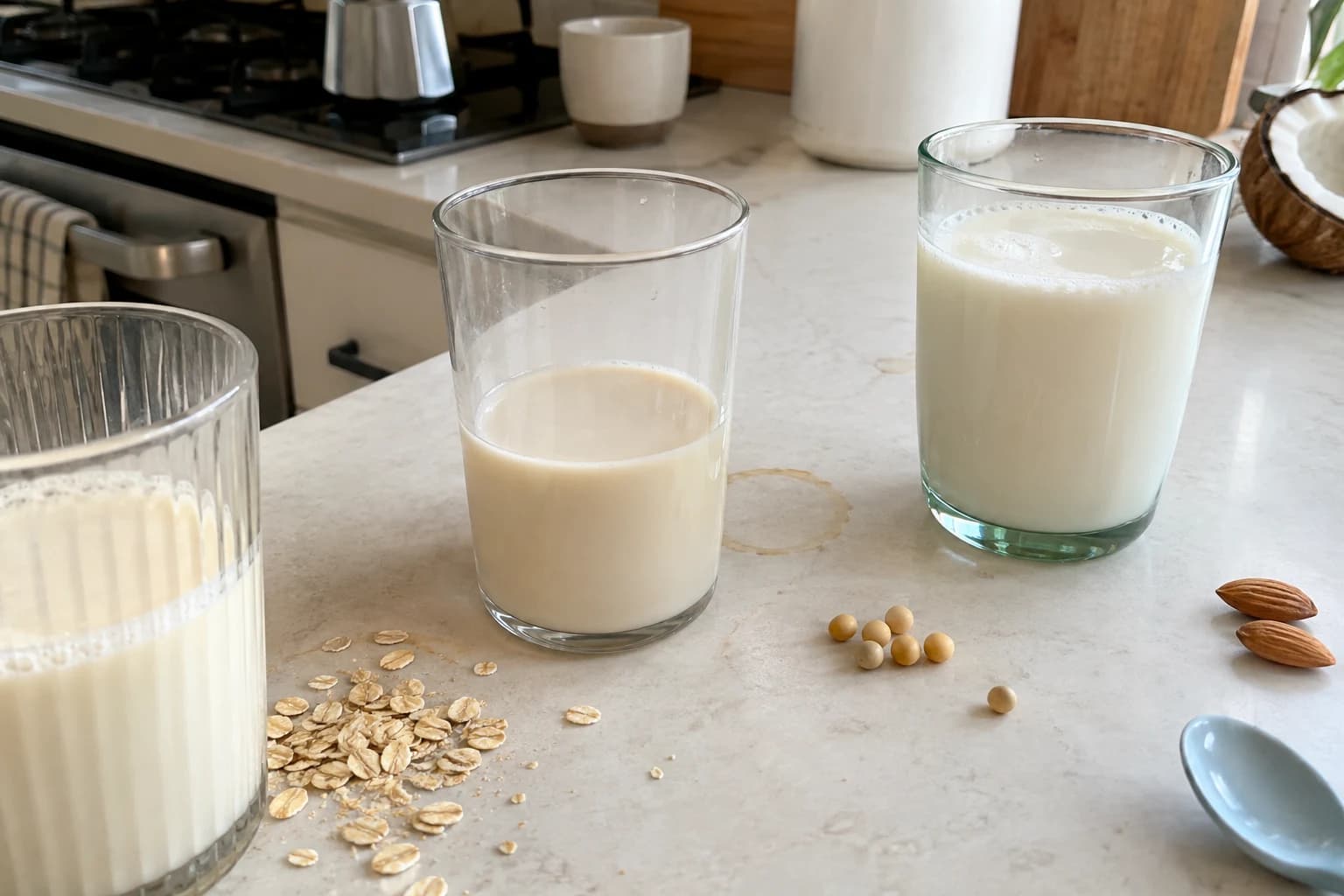
Soy milk has the most protein, oat milk is the best in coffee and almond milk is the lightest on cereal. Pick unsweetened and shake the carton, because “original” often means sweetened and the calcium settles at the bottom.

Conner KadziolkaUpdated 3 min read
The dairy alternative aisle has gone from two options to twenty in about a decade. They are not interchangeable. Some curdle in coffee, some cannot carry a sauce, and one of them has roughly a third the protein of the others.
Here is what each one is genuinely good at, and what to buy it for.
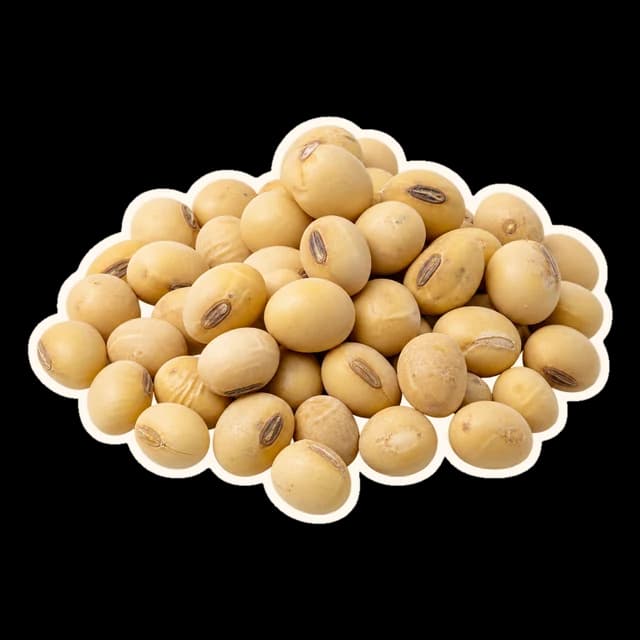

Soy milk, the protein one
most proteinSoy milk carries roughly 7 grams of protein a cup, against about 8 in cow milk. Nothing else on this list is close. It is usually fortified with calcium and B vitamins, it froths well, and it has enough body to stand up in a sauce or a custard.
Reach for it in
- Coffee
- Smoothies
- Oatmeal
- Anything where you want the protein to count
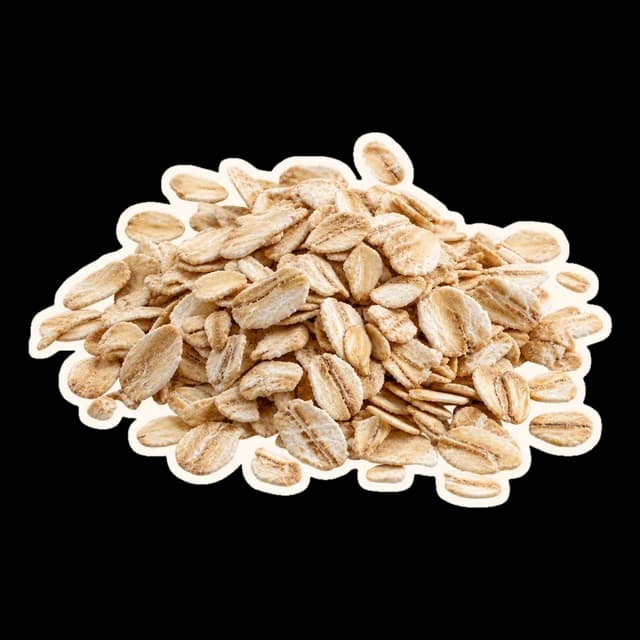

Oat milk, the creamy one
best in coffeeOat milk is the best barista milk on this list. It steams beautifully, it does not split in hot coffee the way almond does, and it has a natural sweetness that means you can use less sugar in baking.
Do not buy it for the fibre, though. A cup carries about 2 grams, which is a fraction of what a bowl of actual oats gives you. Drink oat milk because it is the nicest thing in your coffee, and eat porridge on the days you want the fibre.
Reach for it in
- Coffee
- Baking
- Anything you want creamy


Coconut milk, the rich one
made for curryThe carton kind is thin and drinkable. The tinned kind is thick and is a different ingredient entirely, so do not swap one for the other. Coconut brings medium-chain triglycerides and a distinct flavour that will show up in whatever you put it in, which is either the point or a problem depending on the dish.
Rather not make the curry yourself? Try our Golden Hour Cashew Curry.
Reach for it in
- Curries
- Cooking
- Baking
- Coffee if you like the flavour
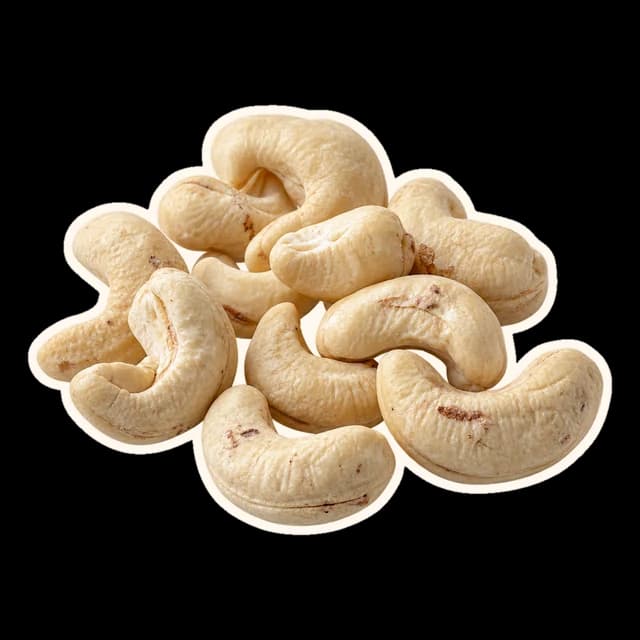

Cashew milk, the smooth one
smoothestVery smooth, very mild, and the closest thing to cream when you make it thick at home. Unsweetened cashew milk is lighter than most, and it blends into soups and sauces without announcing itself.
Reach for it in
- Smoothies
- Creamy soups
- Drinking
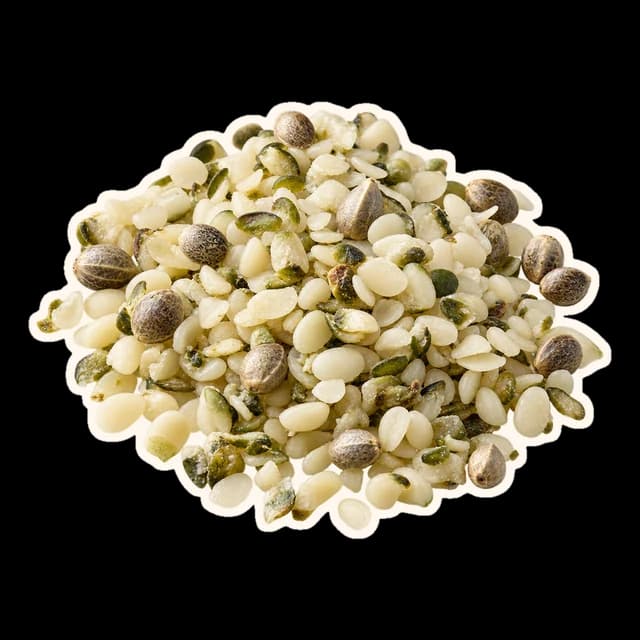
Hemp milk, the underrated one
underratedHemp seeds bring a decent amount of plant protein and both omega-3 and omega-6 fatty acids, which is unusual on this list. The flavour is nutty and a bit earthy and people either take to it immediately or never do.
Reach for it in
- Smoothies
- Baking
- Porridge
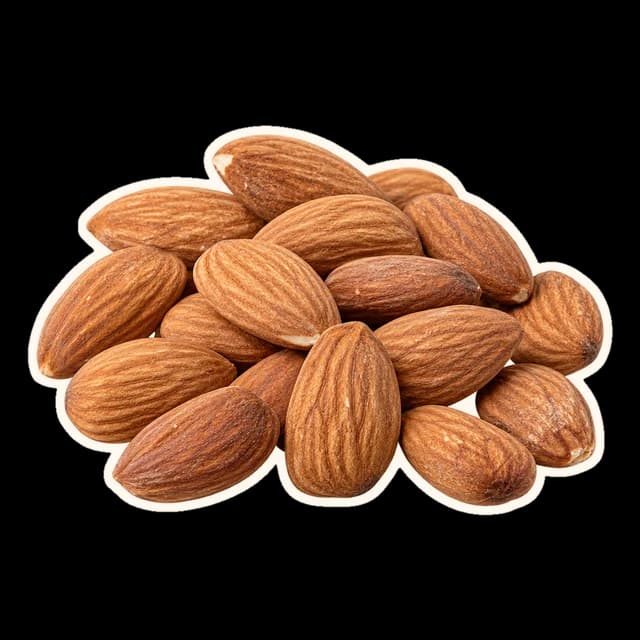
Almond milk, the light one
lightestThe most widely available and the thinnest. Low in calories, low in protein, and a good source of vitamin E. It splits in very hot coffee more readily than oat or soy, so add it to a slightly cooled cup or buy a barista version.
Reach for it in
- Cereal
- Smoothies
- Everyday drinking
Two things to check on any carton
Fortification
Plant milks are not naturally good sources of calcium, vitamin D or B12. Most are fortified, some are not, and the unfortified organic ones are usually the ones that are not. If you are replacing dairy entirely, this matters.
Added sugar
"Original" often means sweetened. Unsweetened is its own line and it is almost always the one you want for cooking.
On the menu this week
Entrées
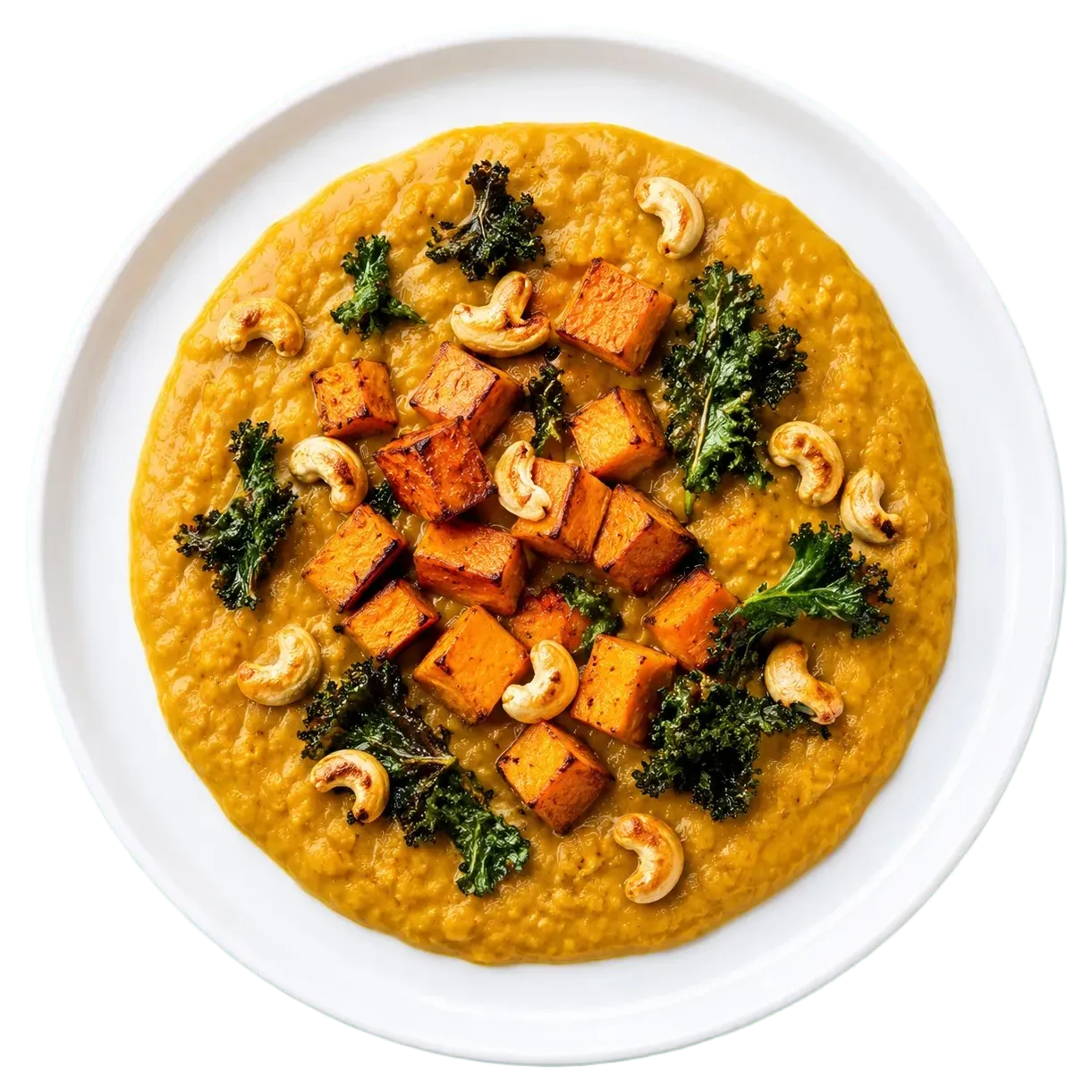
Golden Hour Cashew Curry
We're here to thrust the noble red lentil into the spotlight with this ultra creamy, ultra indulgent Red Lentil Curry. Our rich coconut + cashew curry is paired with roasted sweet potatoes and topped with toasted cashew and kale.
On this week’s menu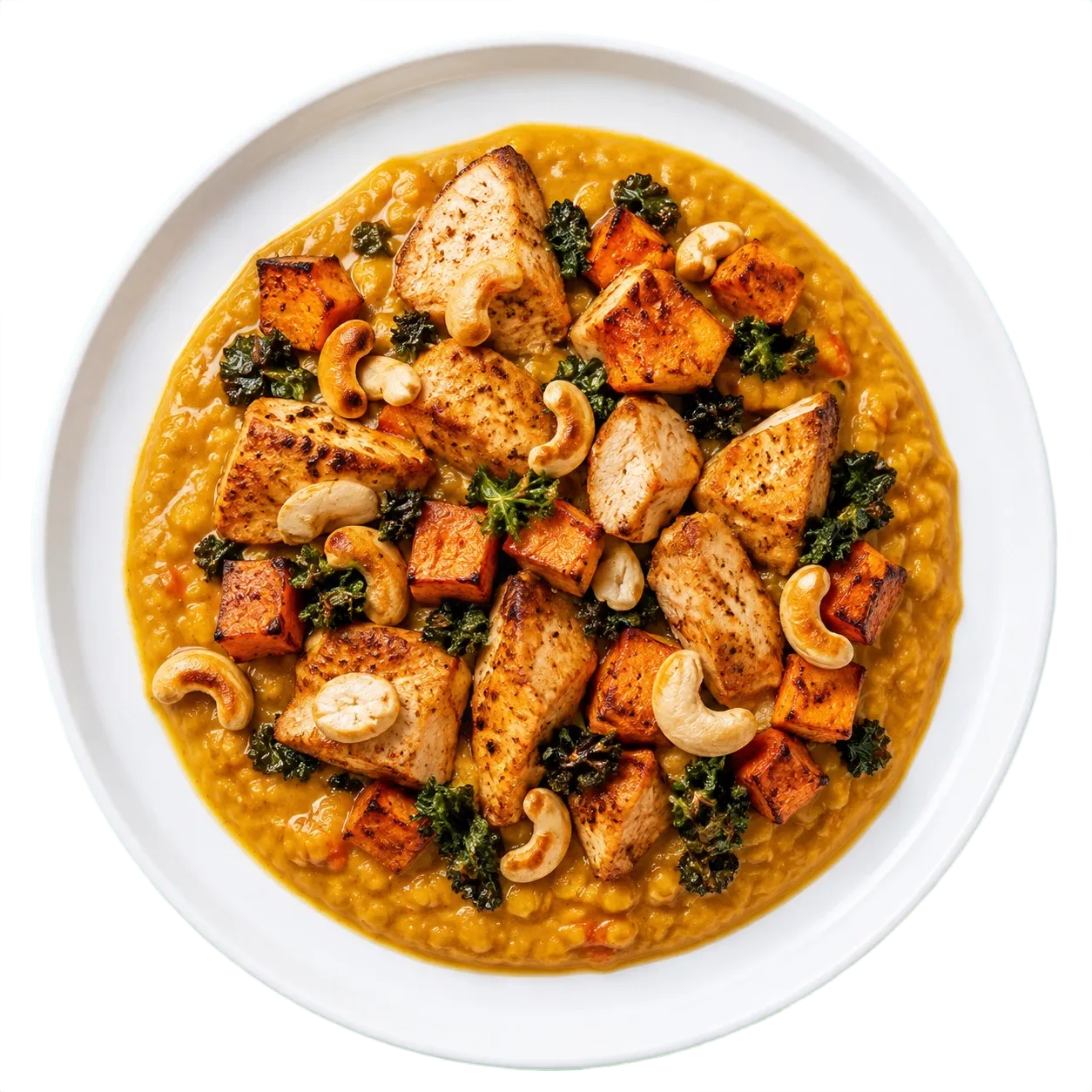
Entrées
Golden Hour Chicken & Cashew Curry
We're here to thrust the noble red lentil into the spotlight with this ultra creamy, ultra indulgent Red Lentil Curry. Our rich coconut & cashew curry is paired with tandoori spiced chicken breast, roasted sweet potatoes and topped with toasted cashew and kale.
On this week’s menu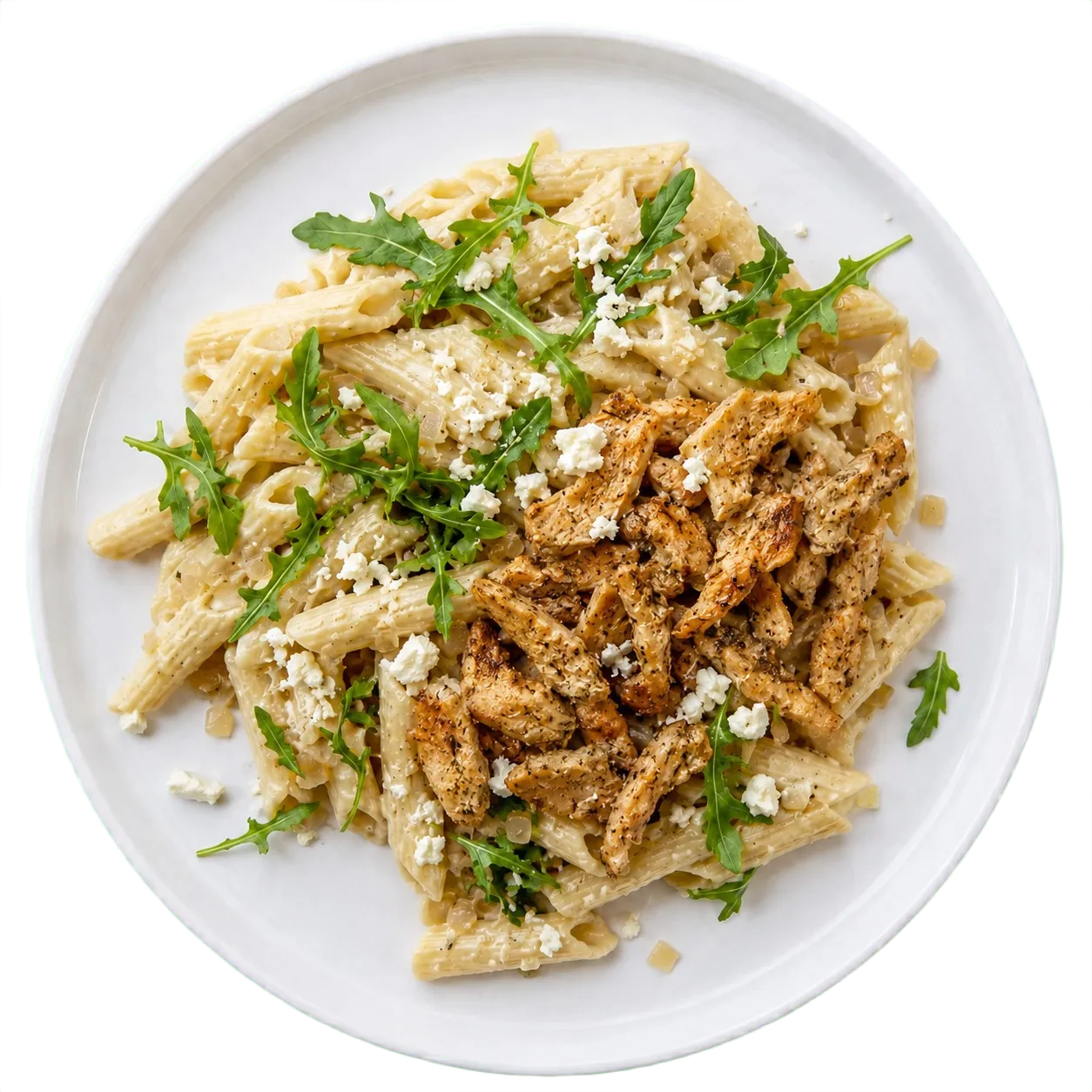
Entrées
Herb Roasted Chick'n Alfredo
The longest serving and most popular dish on our menu, for a damn good reason. Velvety cashew-based Alfredo sauce paired with our protein-packed roasted Italian soy curls on penne, topped with arugula.
On this week’s menu
Where the facts come from
- 1USDA FoodData Central, for the soy and oat numbers.
Read next
- The soy myths, and why we still cook with it
Soy spent twenty years being the villain of the health aisle. The human research tells a different story.
- The 101 on nutritional yeast
The yellow flake that makes plant-based food taste cheesy. What it is, what to do with it, and how to buy a good one.
- Our five favourite nuts, and what to do with them
Five nuts, what each is for, and the storage mistake almost everyone makes.
Rather not cook tonight?